2025 REPORT

THE EARTH WE LIVE ON - CONTEXT

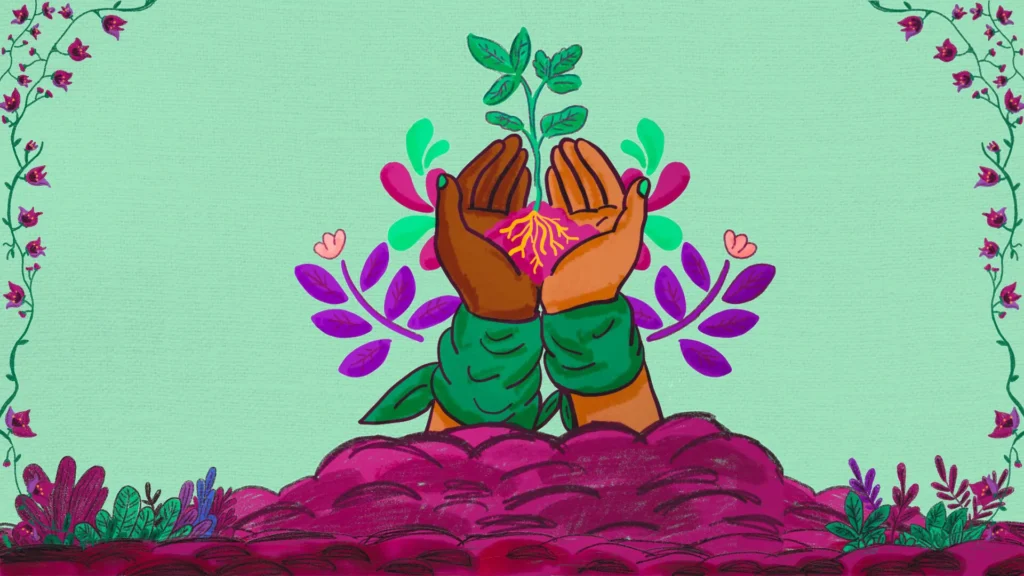
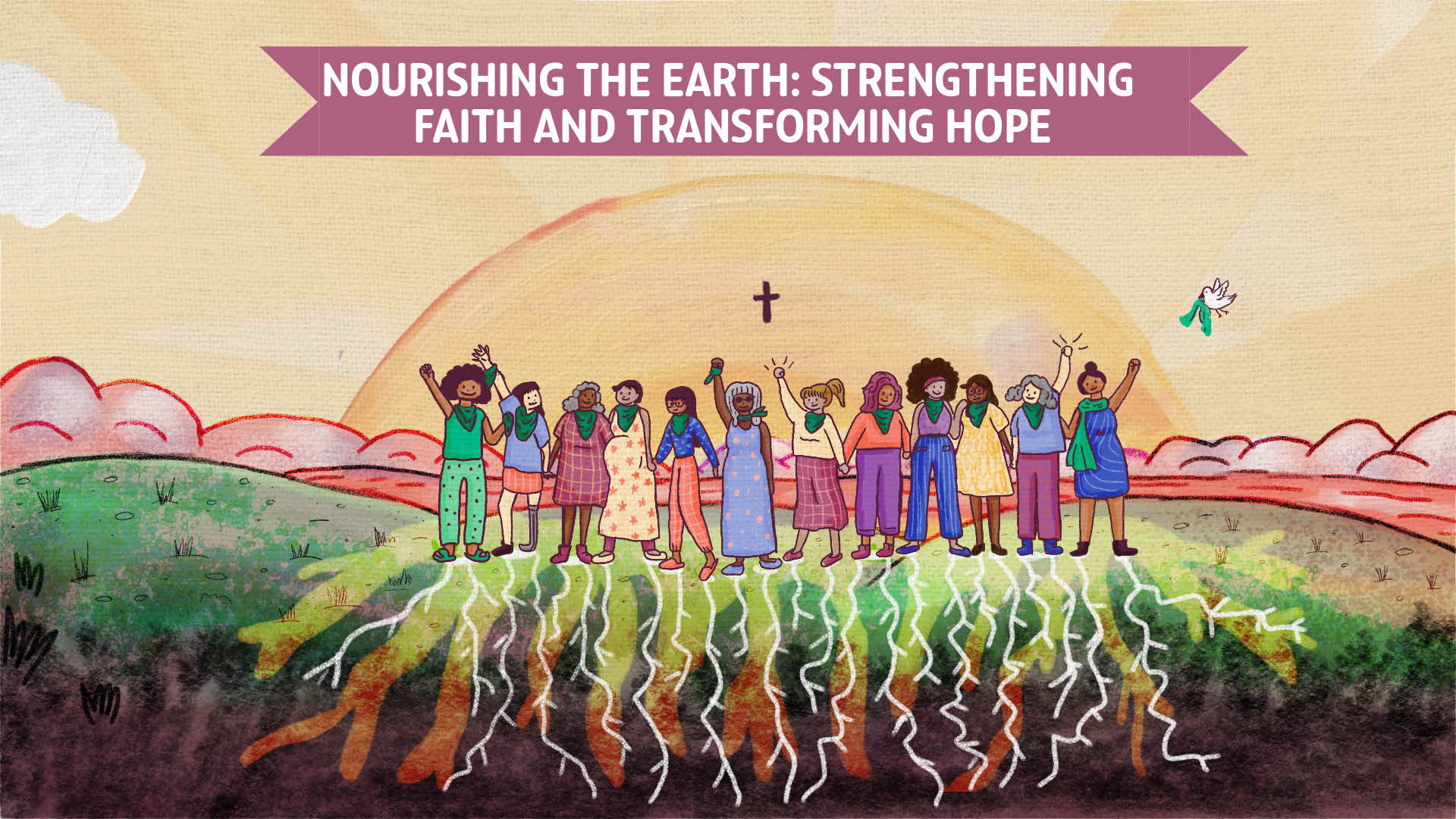
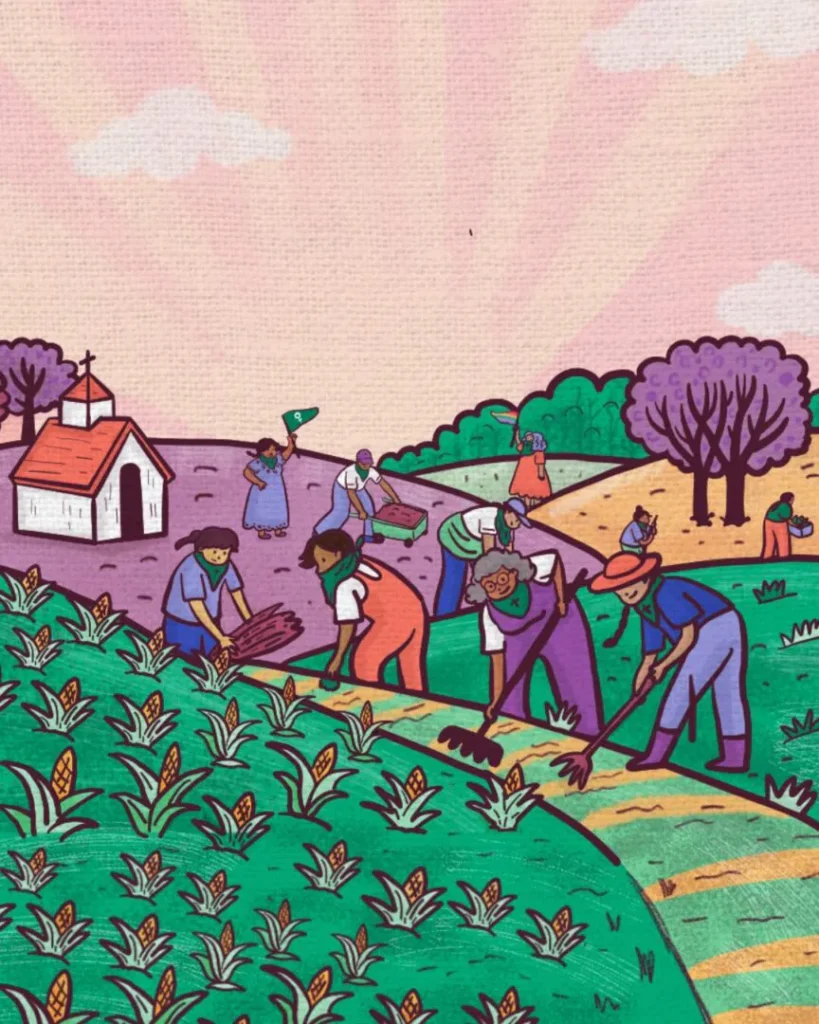
The earth we live on is generous. Not because it is free from conflict, but because even under adverse conditions, possibilities continue to arise, sustaining ancient seeds and bearing fruit that was cultivated during decades.

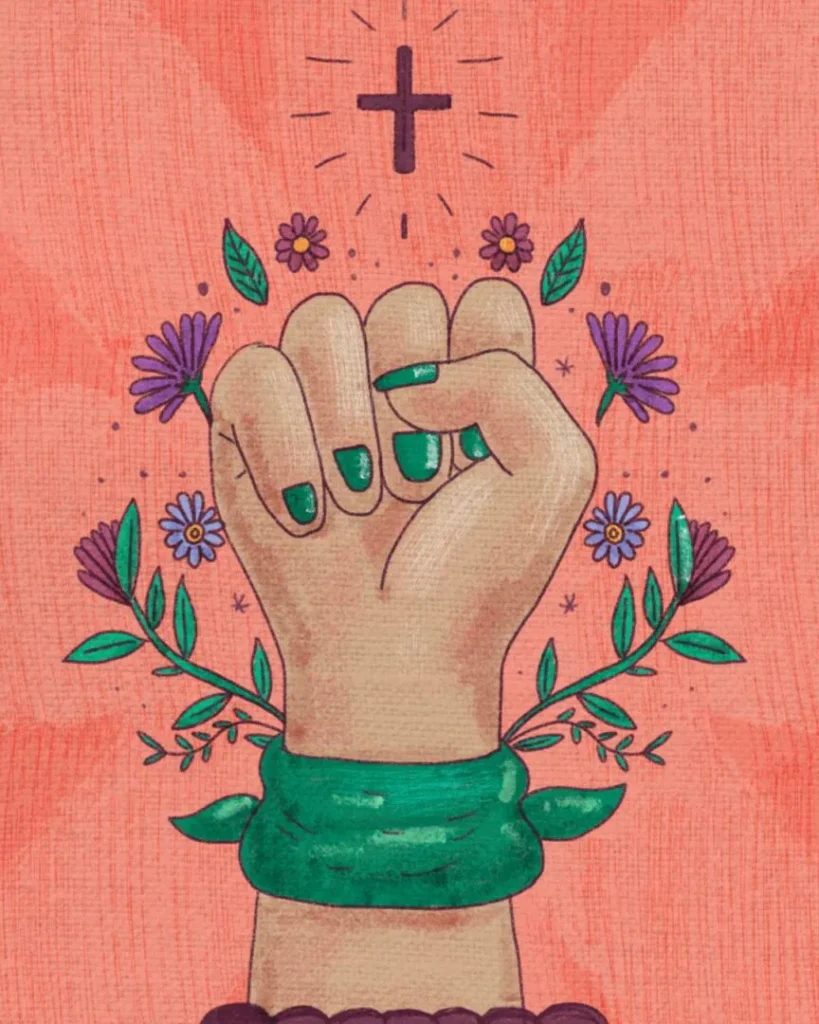
2025 brought concrete advances in Mexico. Six states joined the green wave this year: Chihuahua and Nayarit in January, Campeche in February, Yucatan in April, Tabasco in May, and Tlaxcala in December. Each of these states represents a legal, political and cultural victory, but also expresses something much deeper: the persistence of a feminist movement that planted, during years, conversations, arguments, accompaniment, alliances and pedagogies, before the law recognized a social and ethical truth: abortion is a right. As of December 2025, 24 Mexican states have legal frameworks that decriminalize abortion. The movement has expanded, and with it, the conditions to imagine a country where decision-making and choice is not a privilege, but a guaranteed right.

READ MORE

We know that this fertile ground is also disputed ground. Religious and political fundamentalisms advance with a coordinated agenda that seeks to revert advances in sexual and reproductive rights, sexual and gender diversity and identity and the secular State.

The earth’s generosity is expressed in its capacity to sustain life even under pressure. In 2025, feminist movements demonstrated that adversity does not detain organization: it transforms it.

There are more health providers committed to guaranteeing rights, more young people who demand information about their rights, more organizations that cultivate in conjunction because they know that no harvest is reaped alone, and more states where the possibilities of advance become more tangible.

Hope, moreover, is not naivety. It is a manner of political interpretation: looking at what has been constructed state by state, conversation by conversation, year after year, and recognizing that where there was organized planting, there is also collective harvest.

On this generous, fertile, complex and life-giving earth, Católicas por el Derecho a Decidir México cultivated in 2025.

WE ARE MADE OF CLAY - DIRECTOR'S LETTER

In Católicas por el Derecho a Decidir México, we believe in the collective capacity to cultivate other futures. During 2025, we continued walking alongside feminist movements, young people, progressive religious communities and human rights defenders to expand liberties and sustain individual dignity.

Each advance toward the decriminalization of abortion, each strengthened alliance and each person who lives free from guilt and exclusion plants a seed of transformation.

For more than three decades, we have raised a Catholic, feminist voice committed to autonomy, social justice and human rights. Facing those who use religion to limit rights, we continue to promote a faith that accompanies and recognizes the dignity in all people.

This year we strengthened alliances, we defended secularism and we confirmed that hope is also a political practice: sowing seeds must continue even in adverse times.

We are made of clay because we arise from the stories of struggle and collective care. Thank you to all the individuals, organizations and communities who walked alongside us this year.

WHAT NOURISHES US

In CDD, we know that the collective imagination is cultivated. It is cared for like the generous earth, with patience and nurturing hands, knowing that some seeds take years to sprout, but they transform the ground where they fall.

In 2025, what nourished us was also that which we helped plant: a faith that does not punish, but rather accompanies; a conscience that is not persecuted, but rather recognized; a Catholic, feminist voice capable of sustaining those who believe without renouncing freedom, dignity or the right to decide.

Like the bougainvillea that blooms even under hostile conditions, our narratives grew on disputed cultural ground. Facing fundamentalist, religious discourse that sow guilt, fear and silence, we offer narratives capable of relieving, sustaining and reclaiming the future. Because previous changes in the cultural framework resulted in changes in the law.
One person wrote to us after reading our narratives. This message embodies the central focus of our work: opening refuge where other discourses ostracize and cast out.
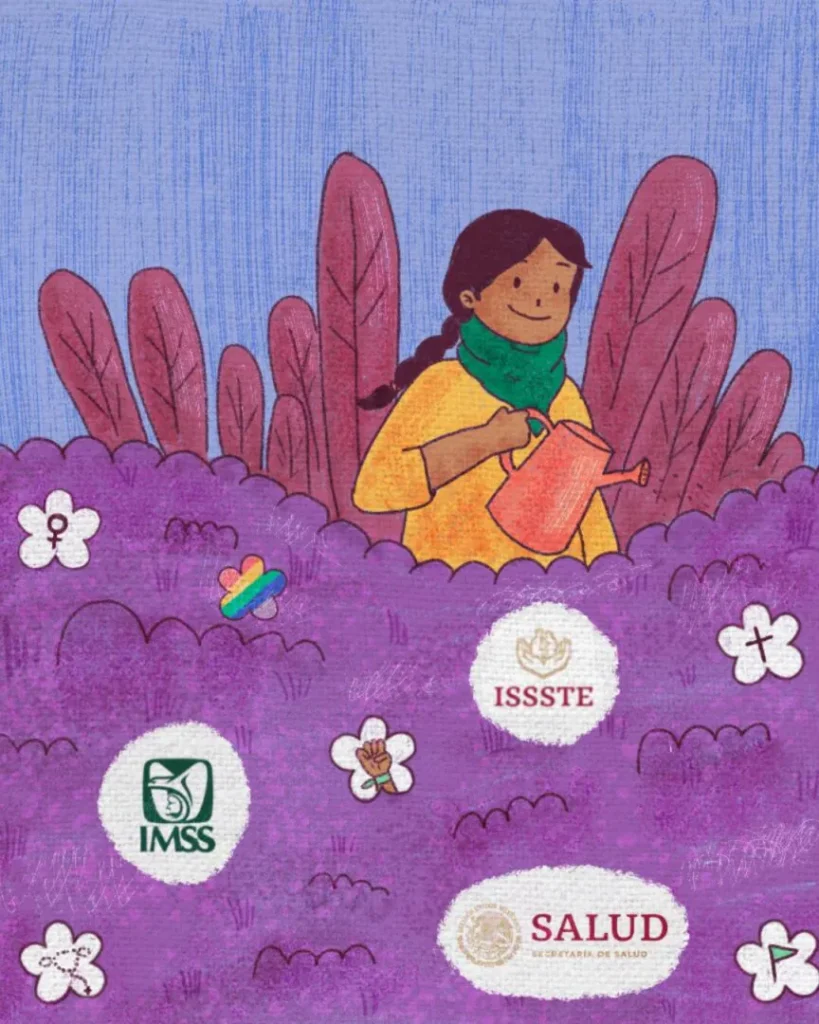
This year, we nourished the collective imagination with 34,586,262 impacts through our campaigns, 15,056 distributed materials and 97 moments of individual care. On one hand, we planted narratives; and on the other, we accompanied individual lives. Both form part of the same work: removing the top soil where guilt was laid, watering questions where there was silence and sowing arguments where others left fear.

FERTILIZING THE EARTH

Fertilizer is not always seen. It does its work down below, among the roots, in places where the earth needs to recuperate its strength to sustain new crops. Its work is discrete, but decisive: enrich the soil, return the nutrients and create conditions for new plants to grow stronger.

In 2025, our work in the Mexican states operated according to this logic. CDD collaborated with colleagues to fertilize collective processes: strengthen capacities, offer arguments, accompany strategies, open conversations and sustain those who already work the earth in their own land.

We collaborated with 15 Mexican states, offering technical assistance and capacity building processes for public servants, religious leaders, the media and civil society organizations, reaching more than 8,000 people with progressive Catholic arguments in favor of autonomy, social justice and the right to decide. From our direct actions and those in conjunction with allied organizations in various states, we reached more than 12,700 people.

Fertilizing Health System Capacity

Within health services, change often happens from the very first contact: in those who receive an information request, hear an experience of sexual violence or guarantee care without stigma.

In 2025, through direct action and in collaboration with allies, we trained more than 1,850 health professionals. In Michoacan, we developed a continuing education program for more than 700 members of the health sector on secular ethics and conscientious objection. In Campeche, the Network for Public Opinion with a Gender Perspective trained more than 50 health care providers (physicians, nurses and psychologists) in the legal framework, conscientious objection and care for survivors of sexual assault. In Puebla, 80 professionals from the public health sector (IMSS, ISSSTE and the Ministry of Health) participated in a process, which they asked to be repeated and led to the proposal to create a network of health professionals for the right to decide. In Quintana Roo, Rights, Autonomies and Sexualities (DAS) trained 109 health care workers, prompting the certification of two centers for best practices by the State Ministry of Health.

READ MORE

Each training was an intervention on institutional ground to remove prejudices, strengthen technical criteria and expand conditions for care from legality, secular ethics and respect for autonomy.

Fertilizing Perceptions in Mexican States

We also fertilized ground where information had not reached or where it had been covered by fear.

In Mexico City, for March 8, 250 people stopped by our information stand; and for September 28, we organized, in collaboration with the Mexican Green Wave, an open air concert in front of the Senate to raise awareness on the fight to legal abortion as a public and ongoing demand. We also installed kiosks in universities to orient young people on comprehensive sexuality education.

In Baja California Sur, the You Decide Network engaged 2,095 people, primarily migrant women day workers, in eight community health centers and on transit routes. In Veracruz, the High Mountain Green Wave reached 265 people in rural clinics with information translated into náhuatl. In Baja California, the Borders positioned the right to abortion in Mexicali’s public domain through artivism, witnessed by more than 300 people in university brigades.

These actions transform perceptions because they bring rights closer to daily  life.

Fertilizing Normative and Institutional Conditions

The ground of rights is also sustained by normative frameworks, institutions and democratic principles. In 2025, we defended the secular State through public declarations and direct actions in Zacatecas, Guanajuato, Tlaxcala and the Chamber of Deputies in the federal congress, where we carried out a symbolic shutdown of the office of a member who promoted religious discourse in official government business.

We also organized events on the advance of the decriminalization of abortion in Zacatecas and Puebla, as well as on conscientious objection in the State of Mexico. In Puebla, the Legal Abortion Campaign offered technical assistance to the state legislature on abortion. In Hidalgo, allied Comprehensive Inclusive Service and Human Rights trained 212 members of the Commercial and Banking Police Force on reproductive rights and first contact protocols, contributing to shifting perspectives on abortion from a punitive framework to one of public health and human rights.

Strengthening and Growing as a Network

In 2025, we fertilized distinct lands with the conviction that no organization transforms a territory by itself. Fertilizer produces conditions. And the conditions we prepared this year, in the health system, in the public domain, in institutions and in the states, are part of the fertile earth from which we will reap together.

HANDS THAT SOW TOGETHER

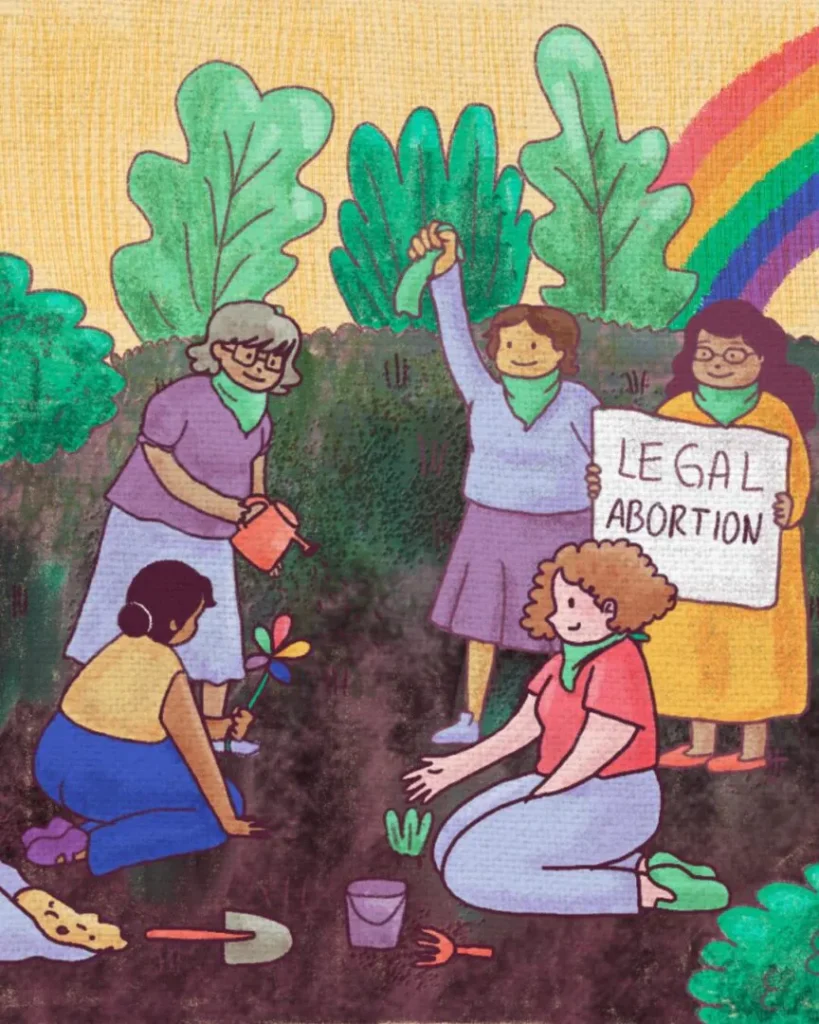
In 2025, we reaffirmed that no transformation is cultivated alone. The ground of rights needs many hands: some prepare the soil, others bring water, and many sustain the seeds when there is inclement weather. In this collective work, feminist, regional and international alliances are a form of political care and a condition to defend democracy, autonomy and social justice.

CDD México actively participated in multilateral, regional and national arenas where human rights, development and gender equality are disputed. We were part of the Official Mexican Delegation to the Commission on the Status of Women and the Commission on Population and Development, raising the feminist and progressive Catholic voice to global conversations on sexual and reproductive rights, freedom of conscience and democracy.

Under the framework of CSW69 and the 30th anniversary of the Beijing Platform, we organized a parallel event to present the report “Intertwined Identities: Layers of Gender-Based Violence from an Intersectional Perspective”, opening a regional dialogue on the multiple forms of violence that impact the lives of women and those from sexual and gender diverse populations in Latin America and the Caribbean.

READ MORE

We also participated in the IV International Conference on Financing for Development in Seville, positioning the economic justice and feminist agendas in global discussion on inequality and sustainability.

At the regional level, we formed part of the national steering group for the Feminist Forum within the framework of the XVI Regional Conference on Women in Latin America and the Caribbean, a space that united more than 360 organizational, network and feminist movement representatives from around the region.

During the year, we also strengthen our participation in relationship-building and advocacy spaces such as the Evidence-Based Advocacy Center, the National Meeting “Weaving Rights: Abortion and Care”, the National Strategy for the Prevention of Adolescent Pregnancy and the Mexico City Adolescent Pregnancy Prevention Group.

In all these spaces, we continue to believe in a shared truth: alliances are the hands that sustain shared ground where rights can continue to grow.

WHAT THE EARTH TAUGHT US

In 2025, we learned that the earth teaches even when something does not sprout as we had hoped. Some processes need more time, others face more resistance than anticipated. CDD México confirms that we need to continue building narratives capable of propagating hope, affinity and community.

We learned as well that alliances have their own rhythms. They require listening, being present and ongoing care. Not all processes advance at the hoped-for pace, but many relationships’ roots grow deeper through difficulties. This was one of the most important lessons of the year: even when the land appears dormant, it is becoming stronger below the surface.

The massive reach of our campaigns gave rise to a question that we carried with us throughout the year, looking toward 2026: how do we convert millions of impacts into lasting relationships of organization, accompaniment and shared conversation? Reaching far and wide was a conquest; sustaining connection will be part of the next cycle.

READ MORE

In a global context where funding for sexual and reproductive rights is being reduced, we continue to affirm that caring for institutional sustainability is a feminist political practice. Sustaining a shared space, caring for each other and diversifying resources are conditions to continue accompanying, working for and planting in the long term.

Like in the stories about faith that do not hide doubt, fear or pain, this year reminds us that difficulties also form part of the path. The hope that moves us does not avoid these tensions: it listens to them, it incorporates them and it transforms them into learning. We continue planting because we have seen what sprouts when a seed finds earth, care and community.

WHAT THE EARTH IS MADE OF

THE EARTH THAT PROMISES

The ground cultivated in 2025 will continue bearing fruit into 2026 and beyond: in the strengthened states, in the alliances that grew roots and in the people and communities who found new ways to believe, decide and live with dignity.

We look ahead with active and collective hope. We know that new disputes on the secular State, access to abortion and the dignity of LGBTTTIQA+ people will arise, but we also know that this land already has seeds capable of resisting and growing.

What bloomed this year was made possible by many hands that cared for our common ground. What lies ahead will need this same trust to continue planting freedom, conscience and the right to decide together.

Share this article: